
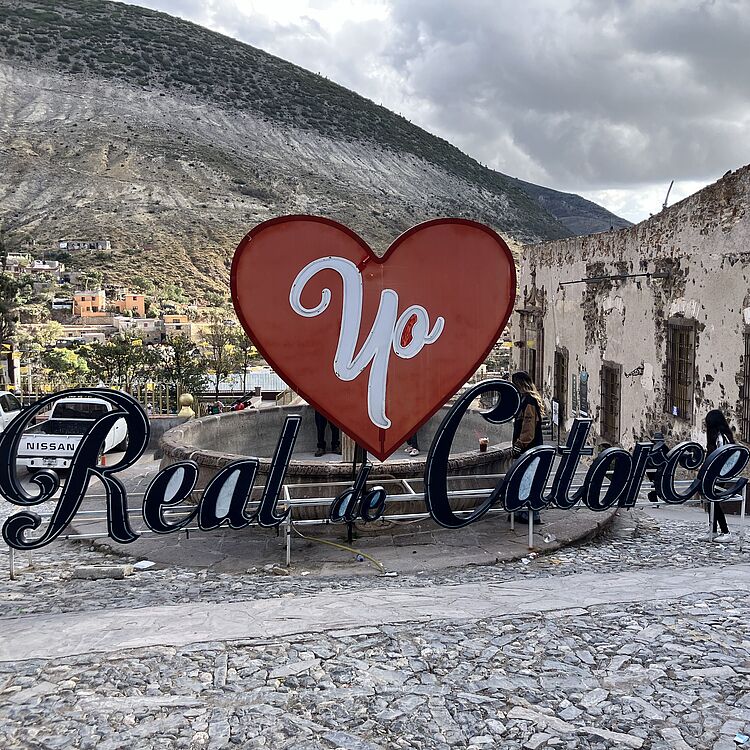
 Bild: Rebecca Janzen
Ort: Seminarraum Forschung I (im Bibliotheksbau)
Link zur Online Teilnahme:
Beitreten Zoom Meeting:
https://zoom.us/j/7543392022?pwd=idcp61CSSfxbZPHaNZaNqpKakOngRH.1&omn=94073510221
Meeting-ID: 754 339 2022
Kenncode: 624841
Prof. Dr. Rebecca Janzen, University of South Carolina/ Deutsches Bergbau-Museum Bochum
Mining Religion: Religious Sites and Extractive Industries across the Americas
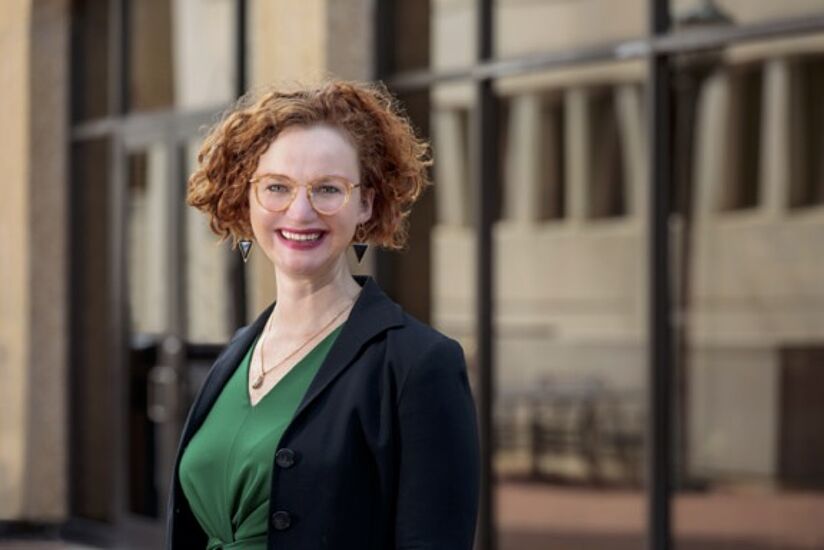
Rebecca Janzen Bild: University of South Carolina Public Relations
CV
Rebecca Janzen ist Professorin für Romanistik und Vergleichende Literatur bei der University of South Carolina in Columbia und Humboldt Forschungsstipendiatin bei dem Deutschen Bergbau Museum in Bochum. Sie studierte an der Universität Waterloo Geschichte und Spanisch. 2013 wurde sie an der Universität Toronto mit einer Dissertation im Bereich Lateinamerikanische Literatur promoviert („Collective Bodies and Collective Change: Blindness, Pilgrimage, Motherhood and Miracles in Twentieth Century Mexican Literature“; die Grundlage ihres ersten Buches, The National Body in Mexican Literature: Collective Challenges to Biopolitical Control, 2015. Danach hat sie Bücher und Artikeln über andere Themen geschrieben, zum Beispeil, Mennoniten und Mormonen (Liminal Sovereignty: Mennonites and Mormons in Mexican Culture, 2018), Religion und Film (Unholy Trinity: State, Church and Film in Mexico, 2021) und Menschenrechte (Unlawful Violence: Law and Cultural Production in 21st Century Mexico, 2022), geschrieben. Ihr aktuelles Buchprojekt trägt den Arbeitstitel, Mining Religion: Religious Sites and Extractive Industries across the Americas.
Rebecca Janzen is Professor of Spanish and Comparative Literature at the University of South Carolina in Columbia and Humboldt Foudnation Research Fellow at the German Mining Museum in Bochum. She studied history and Spanish at the University of Waterloo, and in 2013 defended a dissertation on Latin American Literature at the University of Toronto (“Collective Bodies and Collective Change: Blindness, Pilgrimage, Motherhood and Miracles in Twentieth Century Mexican Literature”), which formed the basis of her first book, The National Body in Mexican Literature: Collective Challenges to Biopolitical Control, 2015. Since that time, she has written books and articles about other topics, including Mennonites and Mormons (Liminal Sovereignty: Mennonites and Mormons in Mexican Culture, 2018), Religion and Film (Unholy Trinity: State, Church and Film in Mexico, 2021), and Human Rights (Unlawful Violence: Law and Cultural Production in 21st Century Mexico, 2022). Her current book project is called Mining Religion: Religious Sites and Extractive Industries across the Americas.
Abstract
This presentation draws on Janzen’s book project about religious practices and sites of extraction in the Americas, using examples from Real de Catorce, Mexico and Potosí, Bolivia. The presentation considers how several sites tell stories about their mining pasts, in dialogue with environmental humanities and studies of religion. It focuses on the way that museums, churches, and other sites highlight some parts of a particular location’s industrial past and the way a focus on religious rituals or ideas might sanitize the environmental and human costs of extractive industries. This presentation will use examples from Real de Catorce, Mexico and Potosí, Bolivia.
Dieser Vortrag (auf Englisch) ist Teil Janzens Buchprojekt über religiöse Praktiken und Extraktionsstätten auf dem amerikanischen Kontinent, mit Beispielen aus Real de Catorce, Mexiko und Potosí, Bolivien. Der Vortrag, im Dialog mit der Unweltgeschichte und Religionswissenschaft, um das Art und Wiese verschiedene Standorte, wie Museen und Kirchen, die Extractionsgeschichte kommunizieren, und wie ein Fokus an religiöse Rituale oder Rhetorik saubere die Umwelt- und menschlinchen Kosten der Rohstoffindustrie.