Photo: Deutsches Museum | Christian Illing

Naturwissenschaften
Musical Instruments – The sound of the times
From the Renaissance to the present day: whether it’s the harpsichord, saxophone or synthesiser, here you can explore the most important stages in the development of instruments.
3,250The number of music rolls in the Deutsches Museum collection that can be researched online.
70 The length of shelving in metres in the Museum Archives that store Oskar Sala's estate.
1The length of the pins in millimetres that store music on the cylinder in the Swiss music box.
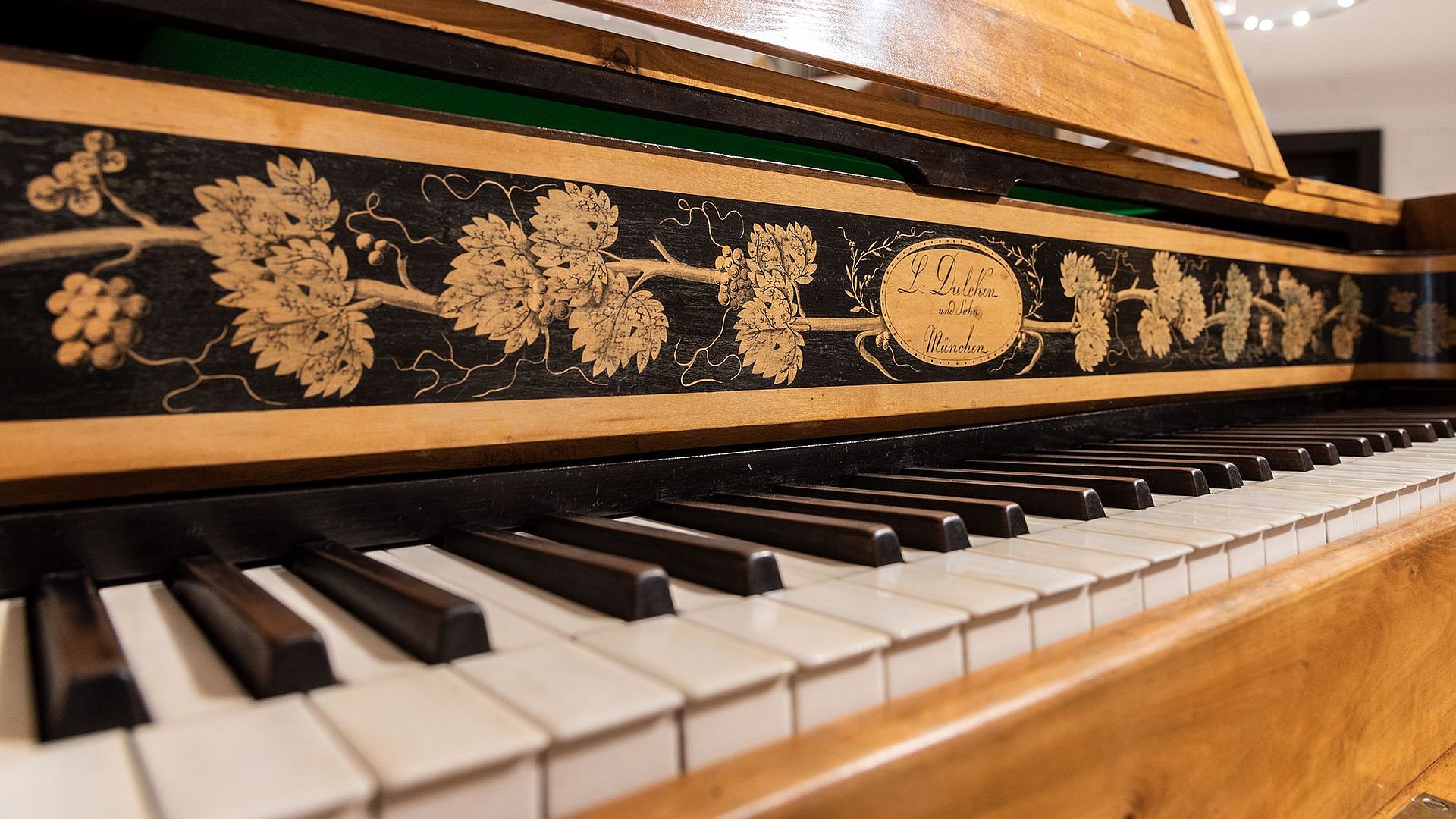
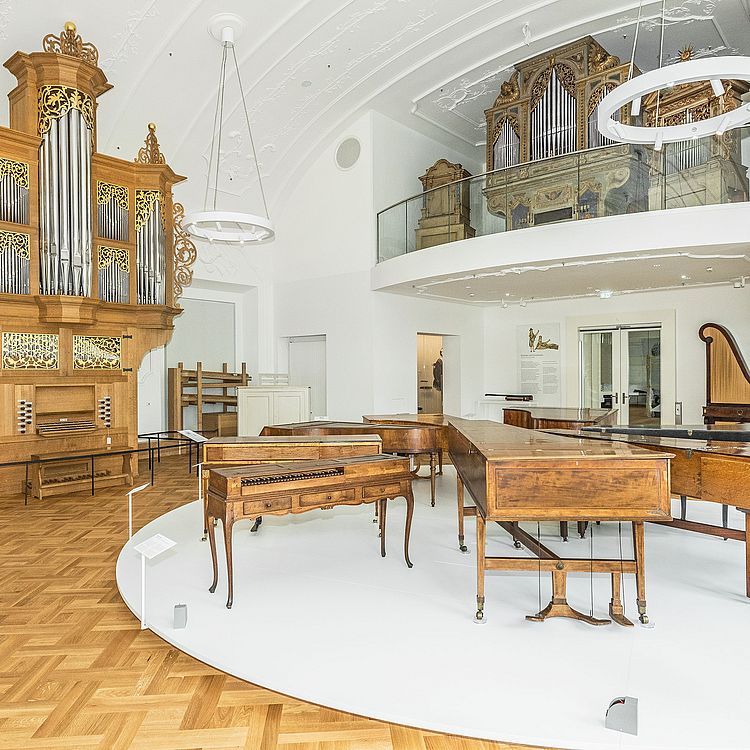
This exhibition explores the development of instruments in the European musical tradition. Highlights have been carefully chosen from the approximately 2,000 instruments in the museum’s collection, including the Ahrend organ, the singing bird automaton and the Moog IIIp synthesizer. Across three rooms, visitors can trace important stages in the history of musical instruments from the Renaissance to the present day. Hands-on exhibits enable visitors to discover how an organ works or to explore the principles of electronic sound generation, acoustic phenomena and much more. And in some areas of the exhibition, films illustrate the different settings in which musical instruments have historically been used. Finally, visitors can take a glimpse into the storage area, which provides an insight into the fascinating work carried out behind the scenes of the exhibitions.
“If you want a Trautonium, you have to build one yourself.”
View Inside the Musical Instruments Exhibition
When will this event take place?
Discover which activities are taking place by checking our daily programme, which is published at around 9.20 each day. Our programme changes daily and includes guided tours, demonstrations, science shows and hands-on activities for individual visitors and small groups of up to five people. All programme events are held in German. They begin either directly where the activity is set to take place or at a guided-tour meeting point in the relevant exhibition.


You have specialist questions for our curator?
![Porträt einer erwachsenen Person mit schulterlangem, hellblondem Haar, die ein schlichtes schwarzes Oberteil und eine dünne silberne Halsreifkette trägt; Gesicht ist unkenntlich verpixelt vor neutralem, hellgrauem Hintergrund.]()
Silke Berdux
Kuratorin
Abteilung MusikinstrumenteTelephone +49 89 2179 445
Fax +49 89 2179 99350
Email s.berdux@deutsches-museum.de