
Photo: Deutsches Museum | Christian Illing
Exhibition
Mobility and Technology
From cycling and motor sports to the hands-on area: Hall III is dedicated to people's need for movement and the technology that moves us.
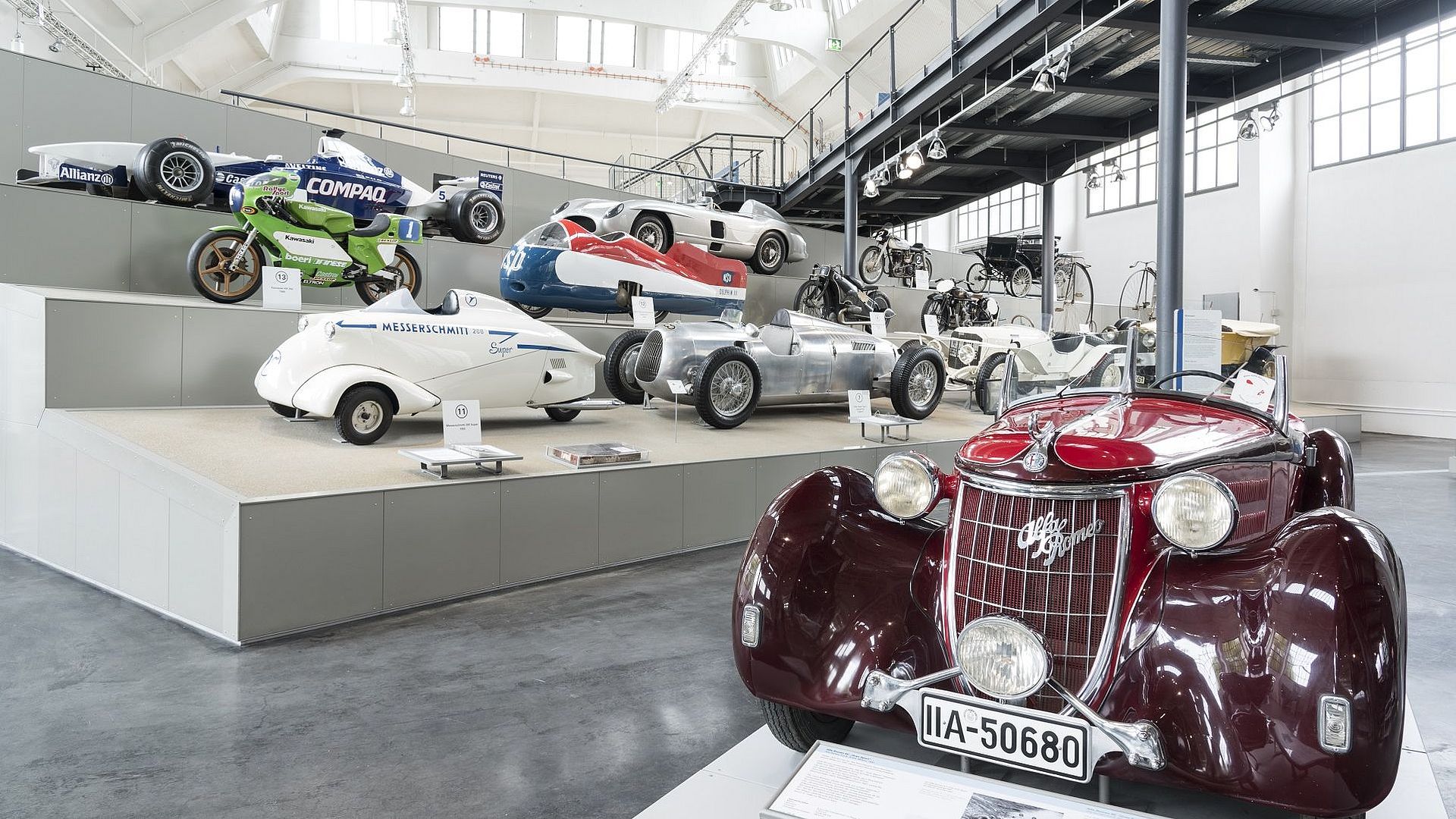
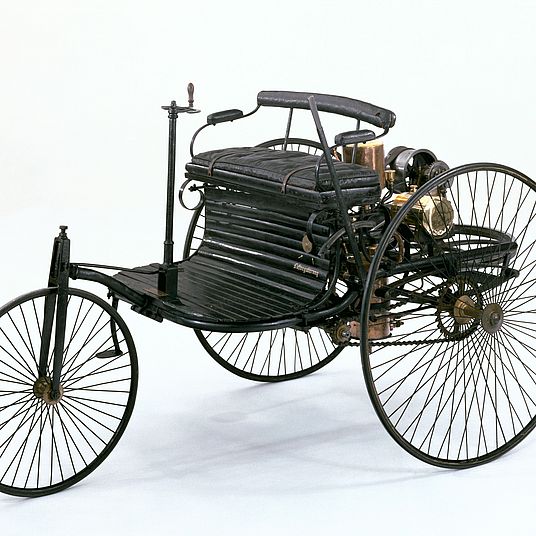
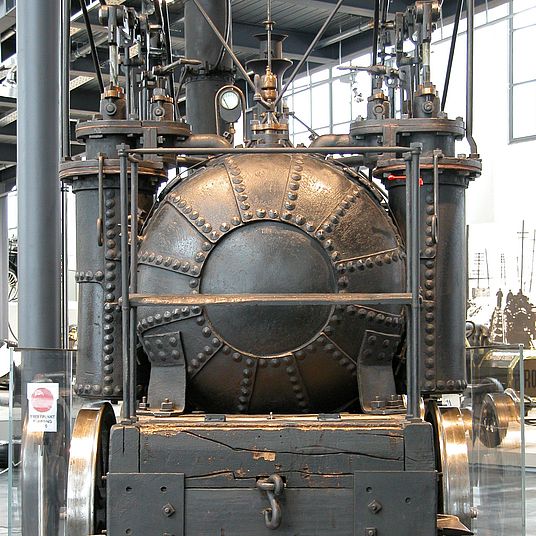
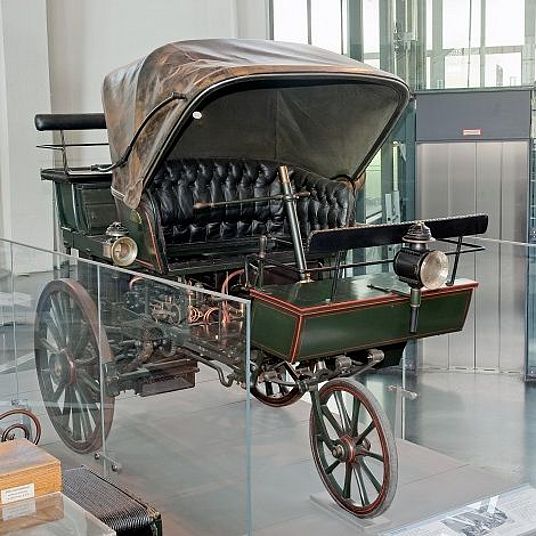
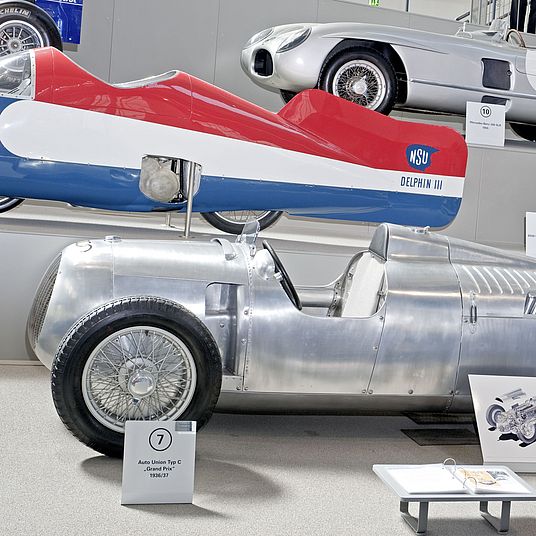
The theme of Hall III is the human urge to move and the technical means of travelling fast, far, safely and effectively. The exhibition ranges from accelerating on your own two feet - on historic bone skates or modern inline skates - to the development of cycling and motorsport with prominent racing cars such as the Audi Union Type C and the basics of vehicle physics. Unique exhibits such as the Benz-Patent-Motorwagen or the steam locomotive Puffing Billy and a hands-on area bring the technology to life.
Other themes – Mobility and Technology
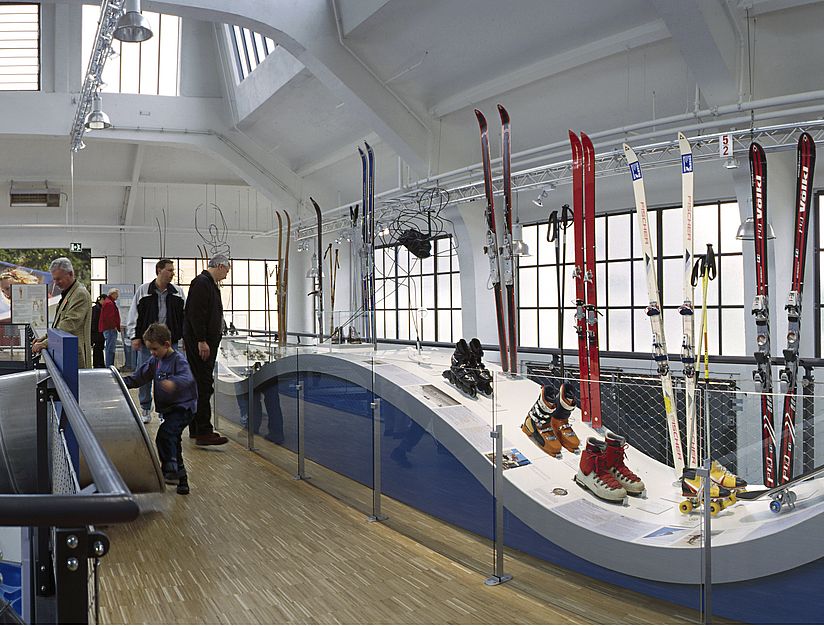
View of the "fun wave" in Hall III: rollerblades, skateboard, skis. Photo: Deutsches Museum
The Joy of Movement
Movement is as much a part of human life as food. We need to move to keep our bodies fit; but movement is also associated with fun, joy and sporting adventure. The small exhibition unit on the gallery of Hall III reminds us what movement means for survival in nature and what people used to come up with to move faster on their own two feet.
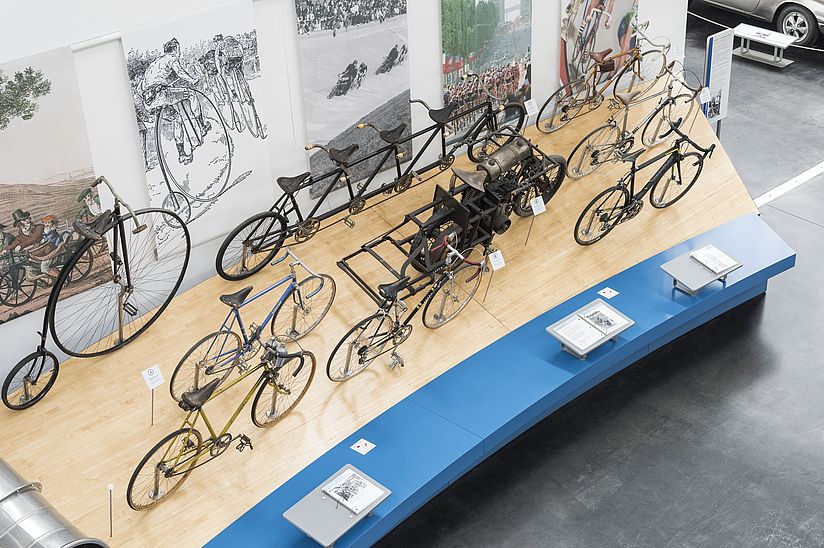
Blick auf die Radsportkurve. Photo: Deutsches Museum | Christian Illing
Cycling and Motorsports
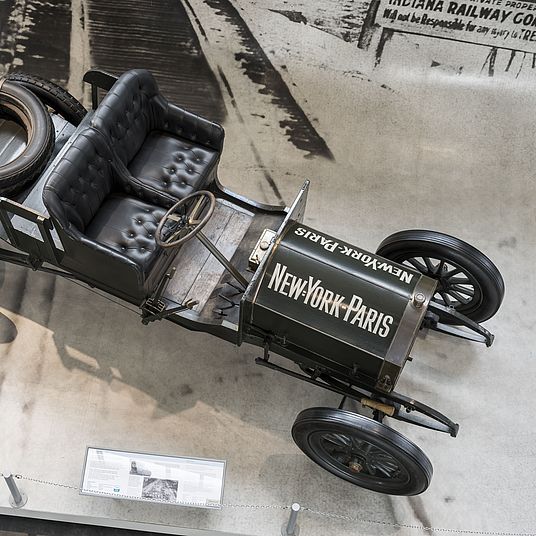
The trendsetters of the 19th century used bicycles and automobiles first and foremost for sporting competitions. Bicycle and automobile races of all kinds have been an integral part of automobile culture ever since. In the early days, sports bikes and racing cars also provided important technical impulses for the development of private transport. You will find the appropriate exhibits on our "Cycling Curve" and the "Racing Steps", including well-known vehicles such as the Audi "Alpensieger" from 1912 or the Auto Union Type C from 1936.
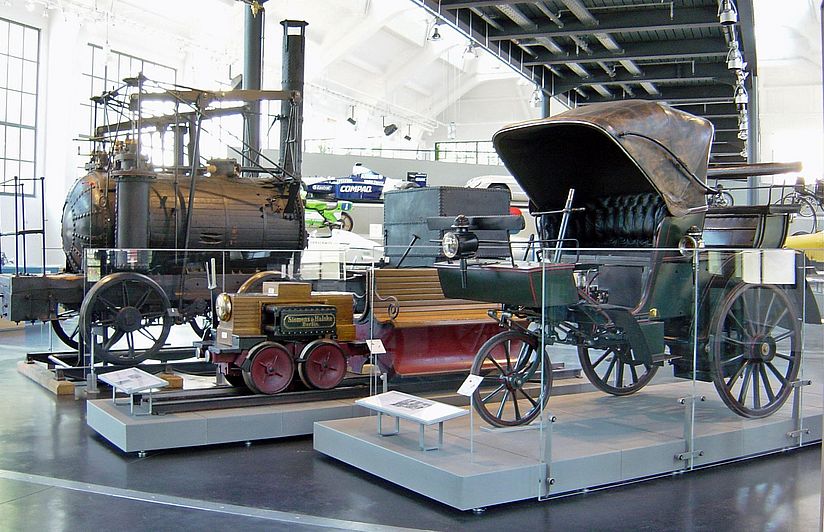
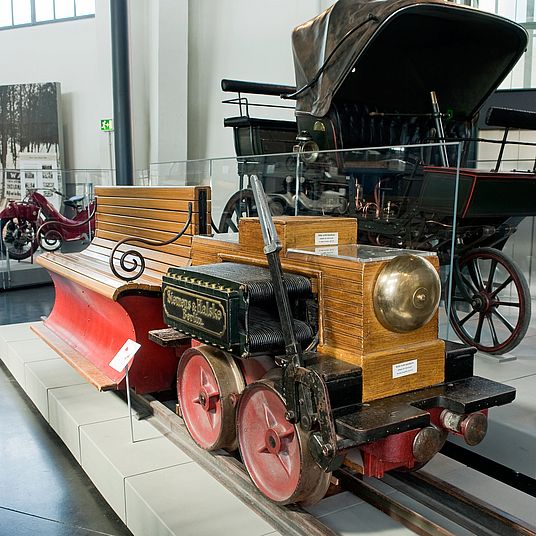
Puffing Billy, Siemens electric locomotive and Serpolet's steam car represent the inventive spirit of the 19th century. Photo: Deutsches Museum
New Roads
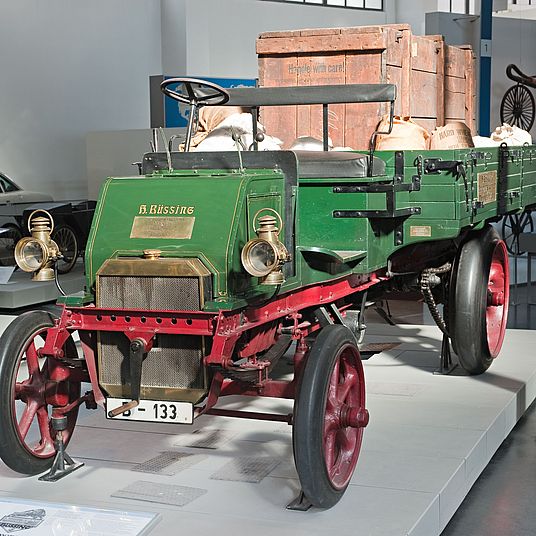
The industrial age mobilised people and goods. The demand for transport increased rapidly and required fast, efficient means of transport. Railways and motor vehicles revolutionised transport and traffic. The fundamental basic innovations were followed by ever new generations of vehicles. To this day, the automotive sector is one of the industries with the most patents.
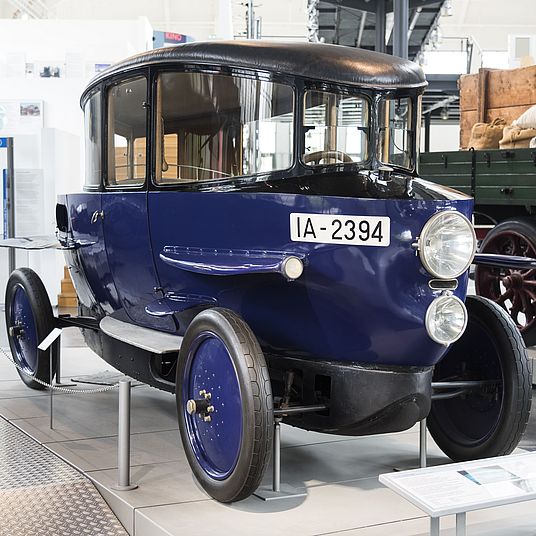
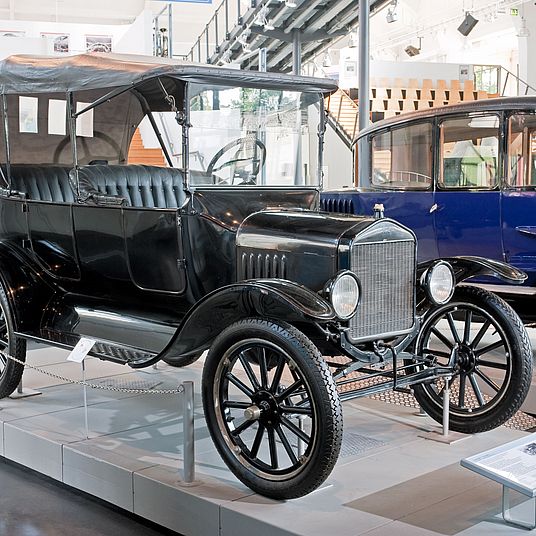
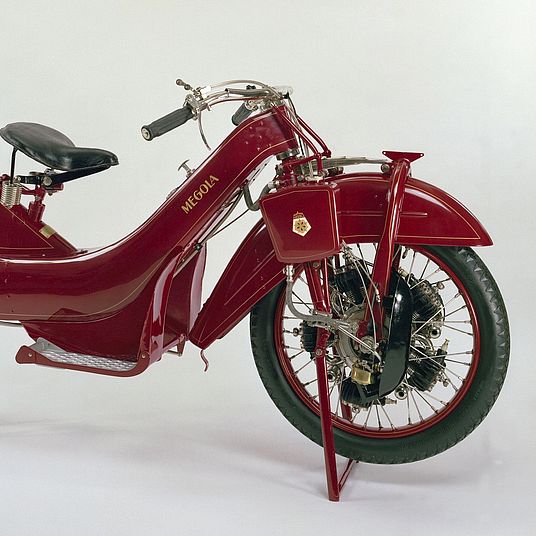
Selected historical highlight exhibits in this area tell of fundamental inventions and the large and small innovations in the vehicle sector. Here you will find, among other things, the steam locomotive "Puffing Billy", the Benz-Patent-Motorwagen, Rumpler's "Tropfenwagen" or even a city scooter from the time before the First World War.
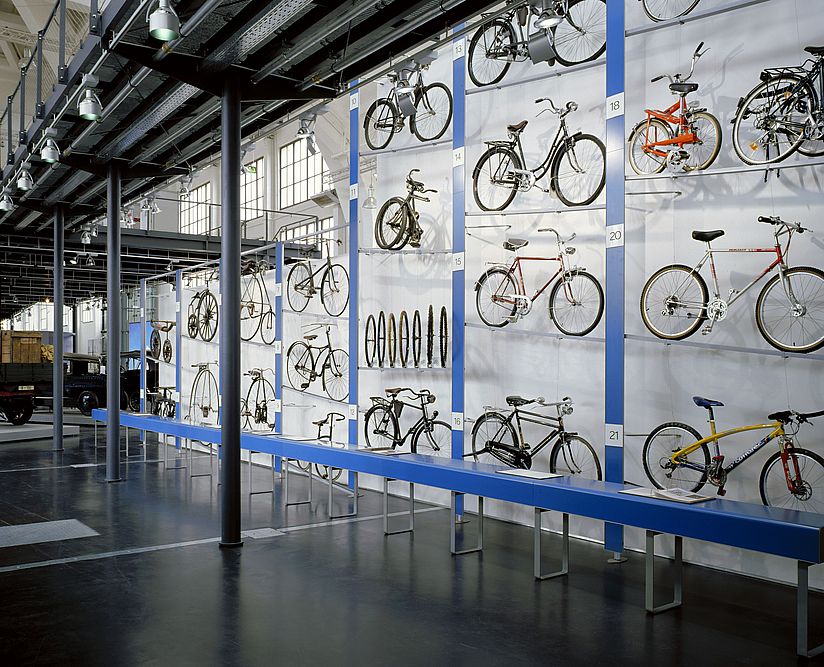
A shelf full of bicycles. Photo: Deutsches Museum
The "Bicycle Curtain"
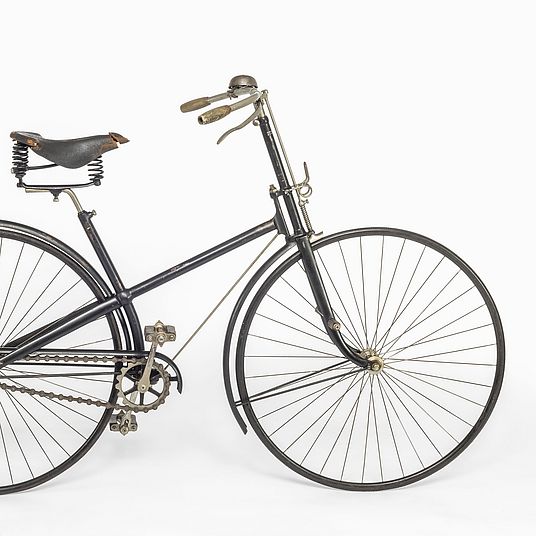
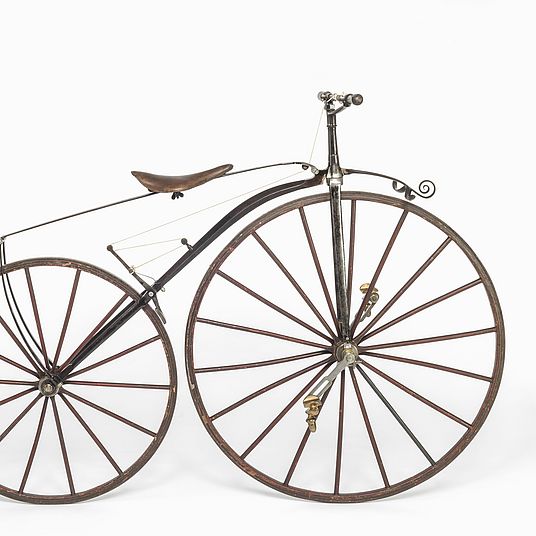
Bicycles have a long history of development and an interesting technical history. Filled with around 20 special exhibits, this exhibition area illustrates the fundamental technical development of the two-wheeler from the hobby-horse to the high-tech bicycle of the present.
From 27 February - Mountain biking
Today, more than a quarter of Germans ride mountain bikes. This means that mountain biking has even overtaken football in the ranking of actively practised sports.
Mountain biking originated in the USA in the 1970s and quickly spread around the world. In terms of bicycle development, it set the technical style: components such as disc brakes and suspension forks are now standard on many everyday bikes. The mountain bike also became a cult object. It transformed the bicycle from a means of transport into a sports, lifestyle and leisure item.
This section shows the cultural and technical history of the mountain bike from its beginnings to the present day.
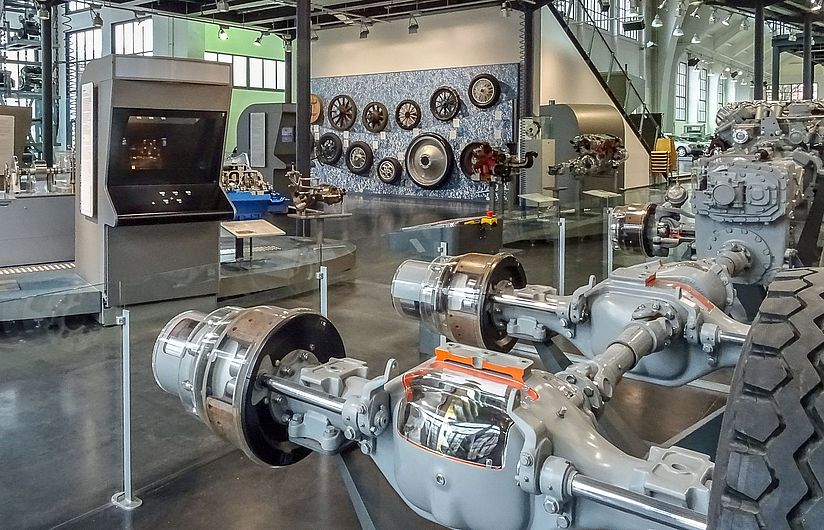
In the foreground the power train of a truck, in the background the wheel wall. Photo: Deutsches Museum
Vehicle and Function
Fancy more technical details? In our hands-on area, you can follow the most important parts of the vehicle power train and interactively explore their functions. The presentation follows the path of the power, which starts at the engine and leads via the clutch and the gearbox to the differential and finally to the wheels.
Inside the Exhibition
Online Through the Exhibition
This video is only available in German.
Model Railway Demonstration
Charm of the Miniature World
The 1:87 scale railway makes its rounds in the Verkehrszentrum every afternoon.
You have specialist questions for our curator?
![Ein Mann in einem dunkelblauen, langärmeligen Hemd steht in einem Fahrradgeschäft vor einer Auswahl an aufgehängten und abgestellten Fahrrädern; Gesicht unkenntlich gemacht.]()
Dr. Lukas Breitwieser
Head of Verkehrszentrum (acting) and Curator Land Transport and Road Transport
Deutsches Museum
80306 MunichTelephone +49 89 2179 803
Email l.breitwieser@deutsches-museum.de![Franz Zwintzscher.]()
Frank Zwintzscher
Curator / Head of Rail Transport
Deutsches Museum
80306 MunichTelephone +49 89 2179 804
Email f.zwintzscher@deutsches-museum.de


Do you have any organisational questions?
Bettina Zimmermann
Secretariat Verkehrszentrum